As charging networks grow, so do the applications reaching distribution companies. Incomplete files, the wrong coordinatorship, missed deadlines and untracked approvals — where the process gets stuck and how a digital flow fixes it.
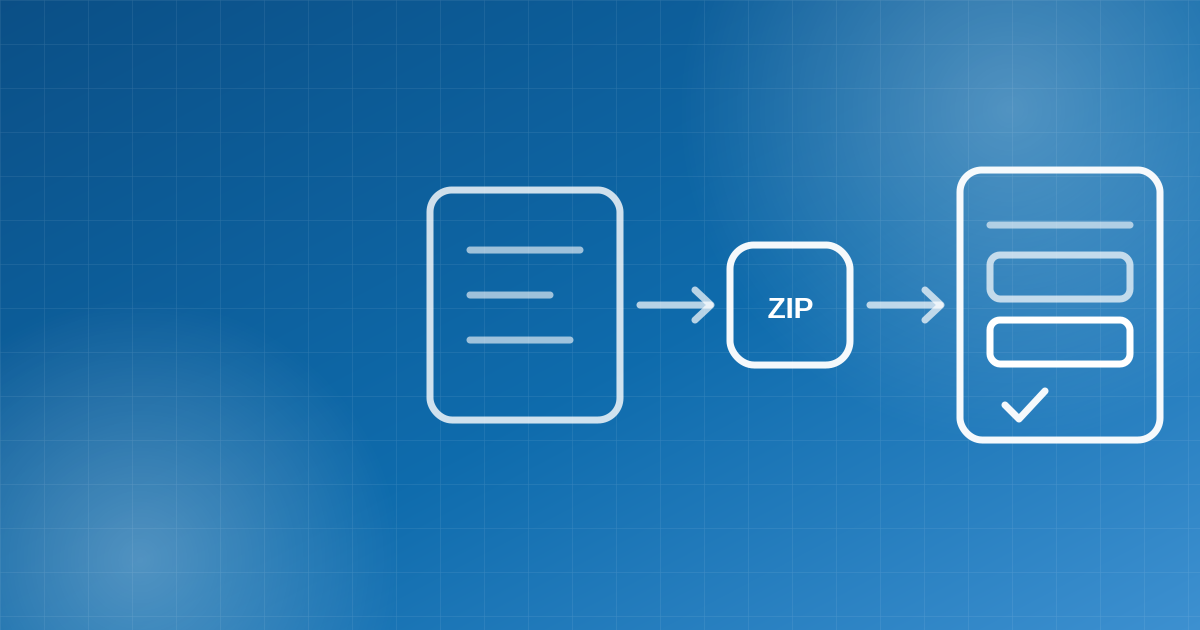
As the number of electric vehicles grows, charging network operators apply to distribution companies for new stations more often. The EPDK EV charging service regulation expects these applications to be concluded in a set order and within set deadlines: the applicant submits the Annex-1 form, the distribution company reviews it and, if it is suitable, issues the Annex-2 letter of approval. This flow looks simple on paper, but as volumes rise it gets stuck at a few familiar points.
1. Incomplete or faulty applications slow everything from the start
The installation number is mistyped, the declared power exceeds the contracted capacity, the licence details don't match the EPDK record, or there is already an open application for the same installation. Most of these errors are noticed only after the application reaches the distribution company and an engineer opens the file. The result: back-and-forth correspondence, a new form and lost days.
The fix is to move the checks to the applicant's screen. If installation and contracted capacity are verified against the customer information system, and licence details against EPDK records, before submission, a faulty application is stopped before it exists. Engineers then spend their time on technical review rather than chasing missing information.
2. The application lands on the wrong desk
In a large service area it is not always obvious which provincial or regional unit an application belongs to. When applications arriving by e-mail or in a central inbox are distributed by hand, both delay and unclear ownership follow. The province selected in the application and the station's coordinates are enough to route it directly to the responsible unit.
3. Deadline tracking lives in people's memory
The review periods set by the regulation are short and run in business days rather than calendar days; weekends, public holidays and holiday eves must be accounted for. When that calculation lives in a spreadsheet or in people's heads, missed deadlines are inevitable during busy periods. The clock should run in the system on a business calendar and escalate to the responsible people as thresholds approach.
4. Site inspection and the signature chain
Writing site inspection results on paper and typing them into the system back at the office causes both delay and information loss. The inspection should be done from a phone with a checklist and its result written directly to the application history. The decision letter that follows usually needs several signatures: preparer, reviewer and approver. Running that chain with e-signatures, preserving segregation of duties and recording every step, improves both speed and auditability.
5. The approval is forgotten once issued
The Annex-2 letter of approval has a limited validity period. If the station is not commissioned within it, the letter expires. Without tracking, both the applicant and the distribution company are left uncertain. Sending reminders to the applicant via registered e-mail (KEP) before expiry, and checking whether the station appears on EPDK's active station list, is the final step that closes the process.
In charging applications, speed is won not by making engineers work harder but by making sure faulty applications never arrive.
What if the regulation changes?
EV charging regulation is a young field and open to change. Hard-coding durations, thresholds and reminder days into the software means development work with every change. Making these values parameters that can be changed from an admin panel is the lowest-cost way to keep the system in step with the regulation.
We built the EV Charging Application and Approval Platform around these bottlenecks: eight automatic pre-submission checks, automatic routing to the regional coordinatorship, business-calendar deadline tracking, site inspection from the phone, a three-tier e-signature chain and 90-day approval tracking. The platform is in use at ARAS EDAŞ. Get in touch to discuss how it would fit your processes.
Let's plan this transformation together
We can bring what we covered in this article to life for your organization. Tell us your needs and we'll draw up a roadmap tailored to you.