The document you send to AI to turn a procedure into training may contain a national ID, a phone number or an IBAN. The safeguards to put in place so you don't grow that risk without noticing.
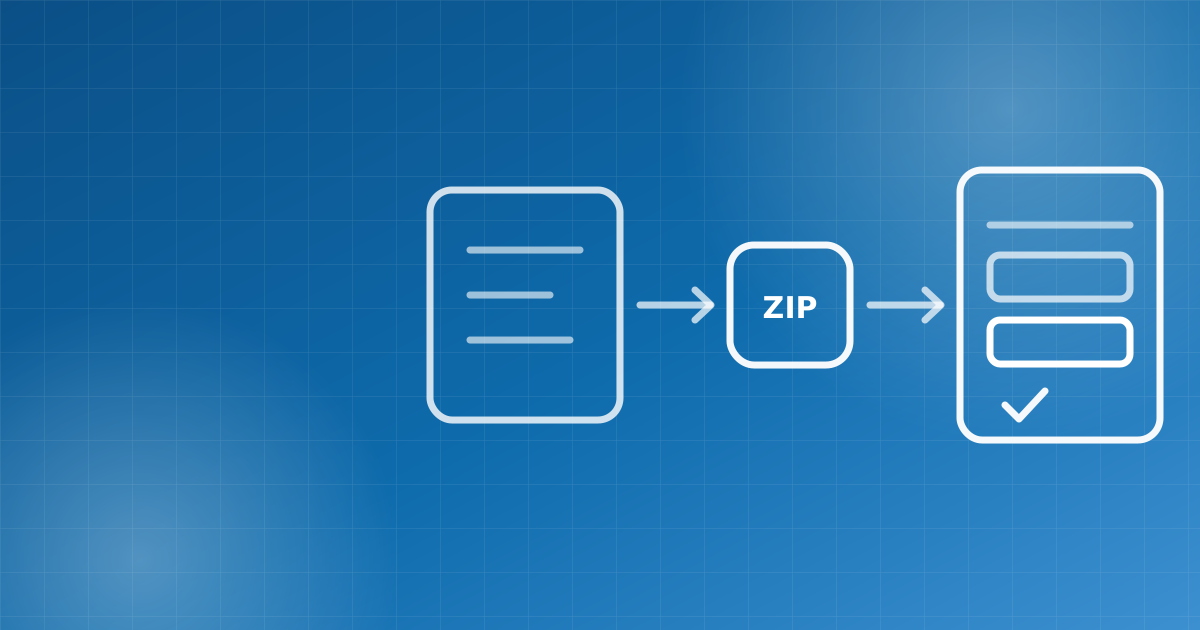
Producing content with AI often starts with one step: a document is uploaded and its text is sent to a language model. Procedures, case narratives, meeting notes and sample forms are very prone to containing personal data. A full name in a case study, a national ID left in a form, or a phone number in a sample letter can reach a service outside the organization without anyone noticing.
The problem is not intent but default behavior
Most of this risk comes not from bad intent but from the tool's default behavior. The person producing content does not scan the document line by line, and the tool sends the text as it is. That is why protection has to be built into the system itself rather than relying on user discipline.
Mask before sending
The most effective safeguard is to mask personal data automatically before text reaches an AI service. Producing training content does not require anyone's ID number, phone or bank account; replacing them with a placeholder does not affect quality.
- National ID numbers (validated by checksum, not confused with random 11-digit numbers)
- Phone numbers and e-mail addresses
- IBANs and credit card numbers
- A record of masking counts: it should be traceable how many items were masked in which document
Who can access what?
Uploaded documents and generated content should stay limited to the people who need them. Roles such as content producer, approver, content manager and system administrator should be separated, and unpublished drafts should not appear on the portal. If the organization uses single sign-on (SSO), connecting the content platform to it simplifies account management and prevents a departed employee's access from being forgotten.
A tamper-proof record
Who uploaded a document, who downloaded it, who approved which piece of content? The answers should sit in a record that cannot be altered afterwards. An audit log where each entry is chained to the previous one (hash-chained) makes any retroactive change visible. When a data subject request or an audit comes in, the organization should be able to show what was processed and when.
The deployment model is a compliance decision
For some organizations a shared cloud service is fine; for others, data must stay on their own infrastructure or in a dedicated environment. Where AI services run and whether data is transferred abroad should also be assessed. These decisions belong on the desk of legal and compliance teams as much as the technical team.
The most reliable way to protect personal data is to design a process that never needs it.
In Sotech Studio, national ID, phone, e-mail, IBAN and card numbers are masked before text is sent to AI services; roles and the approval workflow are separate, authentication runs on OAuth2/OpenID Connect and SSO, and every action is written to a hash-chained audit log. The product can run as a multi-tenant cloud service or as a dedicated on-premises installation. Get in touch to review your organization's requirements together.
Let's plan this transformation together
We can bring what we covered in this article to life for your organization. Tell us your needs and we'll draw up a roadmap tailored to you.