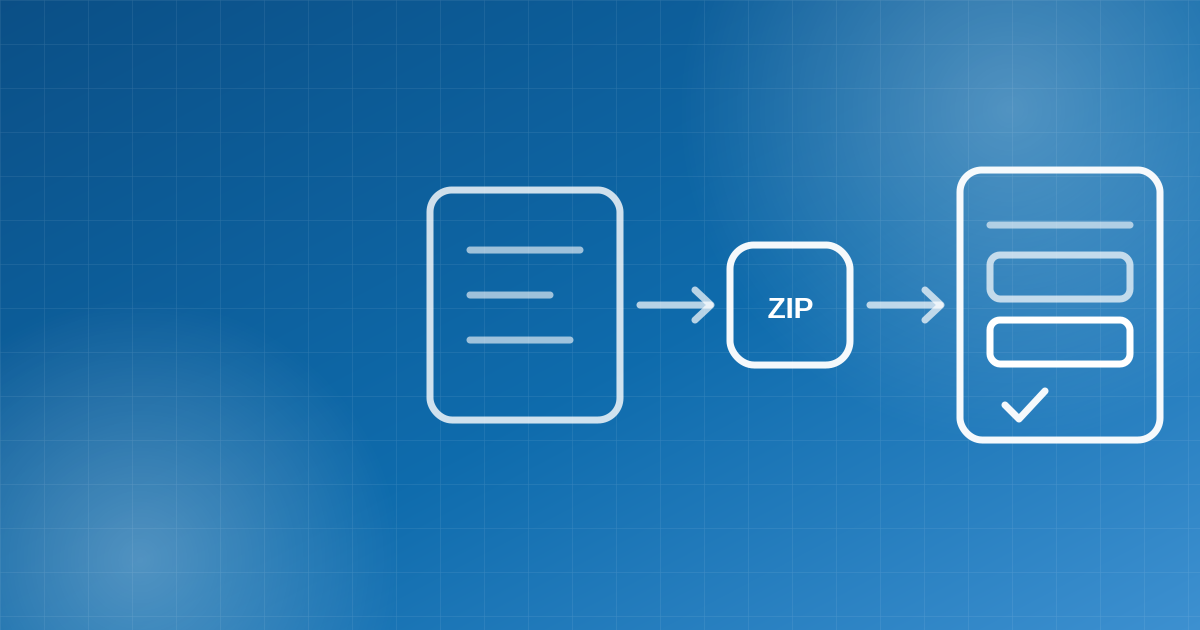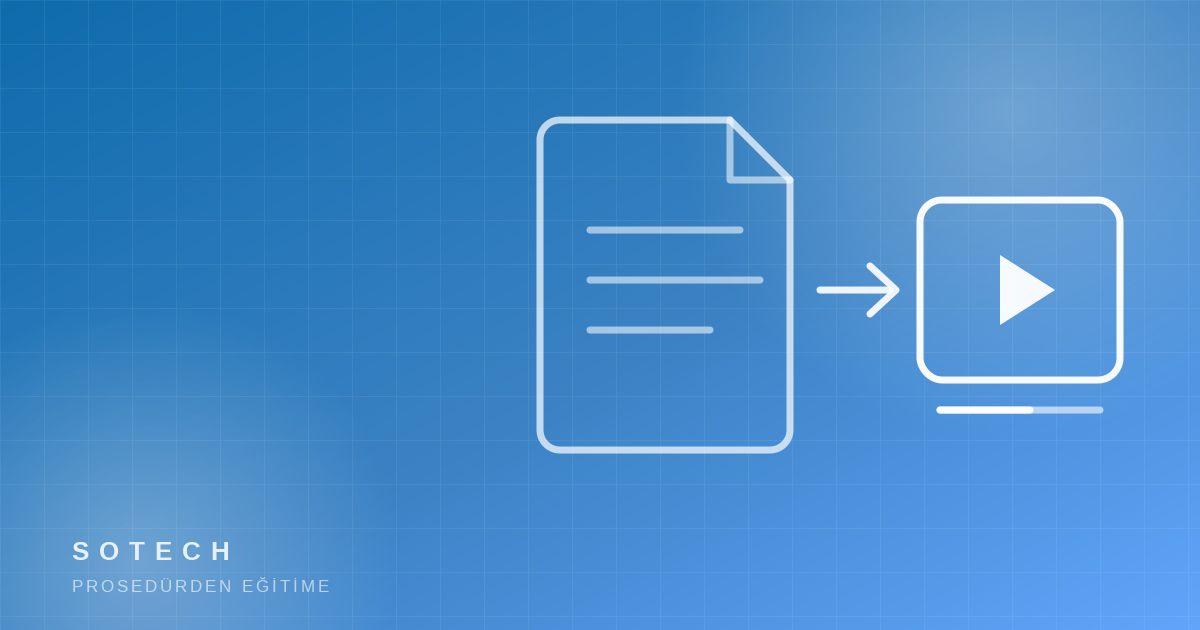
Signing "read and understood" under a forty-page procedure is very different from actually applying it. How to turn that knowledge into short, narrated, testable content without losing anything.
Almost every organization knows this scene: a new procedure is published, sent around by e-mail, and employees tick the "read and understood" box. On paper, everyone has been informed. A few months later, an audit or an incident shows that the relevant clause was never applied. The problem is not indifference; it is that the format carrying the knowledge does not fit the moment the knowledge is needed.
Documents are designed to be written, not learned
Procedures, regulations and technical guides are written to be complete: every exception, definition and reference is in place. That is right for the document's legal and technical value. But the same quality weakens it as a learning tool. The reader has to find out alone which three paragraphs of forty pages change their own work — and often they don't, or don't try.
Training content is built the other way round: first "why it matters", then "what changes", then "how to apply it", and finally "did I get it?". The same knowledge, in a different order and at a different density.
Four traits of a good conversion
- Short and focused: the topic is split into parts that keep attention, each carrying one idea.
- Narrated and visual: the narration is listened to while key points appear on screen; no reading required to follow.
- In a standard order: all of the organization's training follows the same narrative structure, so viewers know where to find what.
- Testable: short questions placed in between measure whether the content was understood, not merely watched.
Why wasn't this done before?
Because it was expensive. Turning a procedure into a video meant scriptwriting, a recording studio, graphic design and editing — and when the procedure changed, the whole chain ran again. So only the few most critical topics became videos and the rest stayed as PDFs.
AI changes that cost structure, but it is not a solution on its own. Content generated automatically from a document is a first draft. The real gain is that the draft is ready in minutes and the expert can spend time correcting and approving rather than writing. When the procedure changes, only the affected scene's text is updated and only that scene is re-voiced.
The goal is not to shorten the document but to get its knowledge to the moment it is needed.
A practical starting point
Pick the three procedures that generate the most questions or the most audit findings. Aim for 3–6 minutes of content for each, add a few questions at the end and load them into your learning management system as SCORM. A few weeks later, the answer rates will tell you far more clearly than the document which topic is genuinely not understood.
We built Sotech Studio for exactly this: from a PDF, Word or PowerPoint document it produces narrated, subtitled content with quizzes that follows the organization's narrative order; it is edited scene by scene, approved and published as MP4 or SCORM. If you would like to see it work with your own documents, reach us through our contact page.
Let's plan this transformation together
We can bring what we covered in this article to life for your organization. Tell us your needs and we'll draw up a roadmap tailored to you.