Reliability in online exams does not come from a single measure. When question banks, booklets, time management, resilience to interruptions and item analysis are designed together, the exam becomes both fair and measurable.
When online exams come up, the debate usually locks onto cameras and cheating. Yet an exam's reliability starts long before it begins — with how questions are written and distributed — and ends after it finishes, with how results are analyzed.
A good question bank is the foundation
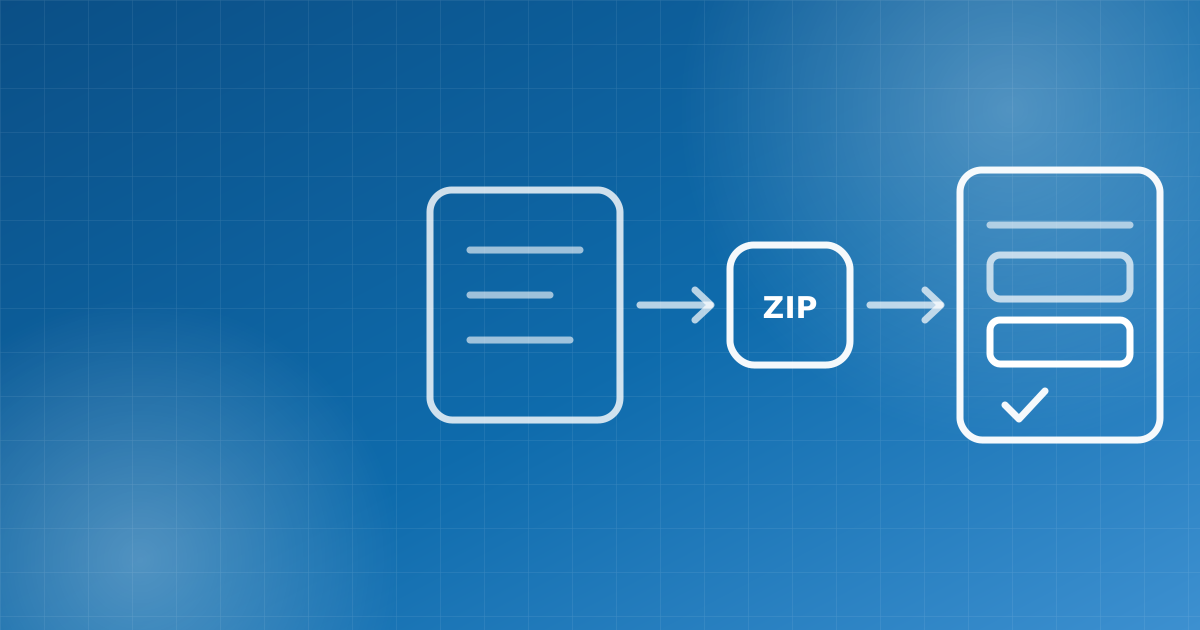
Giving hundreds of students the same questions in the same order makes sharing answers easy. A question bank tagged by topic and difficulty makes it possible to build an exam with the same coverage but different questions for each student. Variety of question types matters too: alongside multiple choice, ordering, matching, fill-in-the-blank and open-ended questions measure understanding rather than memorization.
A question stem does not have to be text only. A chart, an audio clip, a short video or a figure cropped from a PDF turns a question into a real problem, especially in engineering and language courses.
Booklets and ordering
The booklet idea works online as well: question and option order varies per student, and the exam package is prepared in advance and stored securely. In some exams, disabling going back to previous questions makes sharing even harder by showing questions in sequence; this rule should be shown clearly to students at the start.
Resilience to interruptions: the most overlooked topic
What happens when a student's connection drops or the browser closes is the most common source of complaints. Answers should be saved automatically on every change, students should be able to continue where they left off, and the last save time should be visible on screen. When a technical problem occurs, the instructor or proctor should be able to extend the time for one student or the whole group during the exam, and the change should appear on the student's screen immediately.
Proctoring: people and system together
A proctor screen lets staff monitor exam sessions live: who has started, who lost connection, who has submitted. Camera- and AI-based proctoring may suit some exams, but it carries a heavy personal data load and requires all parties to be clearly informed. For most midterms, a good question bank, booklets and live monitoring deter as well as a camera does, with far less controversy.
After the exam: item analysis
The work does not end when the exam does. Item analysis shows which questions were too easy or too hard and which ones failed to distinguish strong from weak students. It helps fix faulty questions and makes the question bank better every term.
- Does the question bank support topic and difficulty tags? How many question types are there, and can stems include media?
- Are question and option orders shuffled per student? Can a no-going-back rule be set?
- Are answers saved automatically? Can students resume after a lost connection?
- Can time be extended during the exam, per student or for a group?
- Is there a manual grading screen for open-ended and file answers? Are item analysis and exports available?
A reliable exam is less about catching cheating and more about designing an exam where cheating does not pay.
If you would like to review your organization's online exam process together, get in touch.
Let's plan this transformation together
We can bring what we covered in this article to life for your organization. Tell us your needs and we'll draw up a roadmap tailored to you.