Reviewing thousands of photos by eye takes days. When inspection maintenance is built end to end — from flight planning to an approved work order — the process shrinks to minutes, and every finding stays traceable.
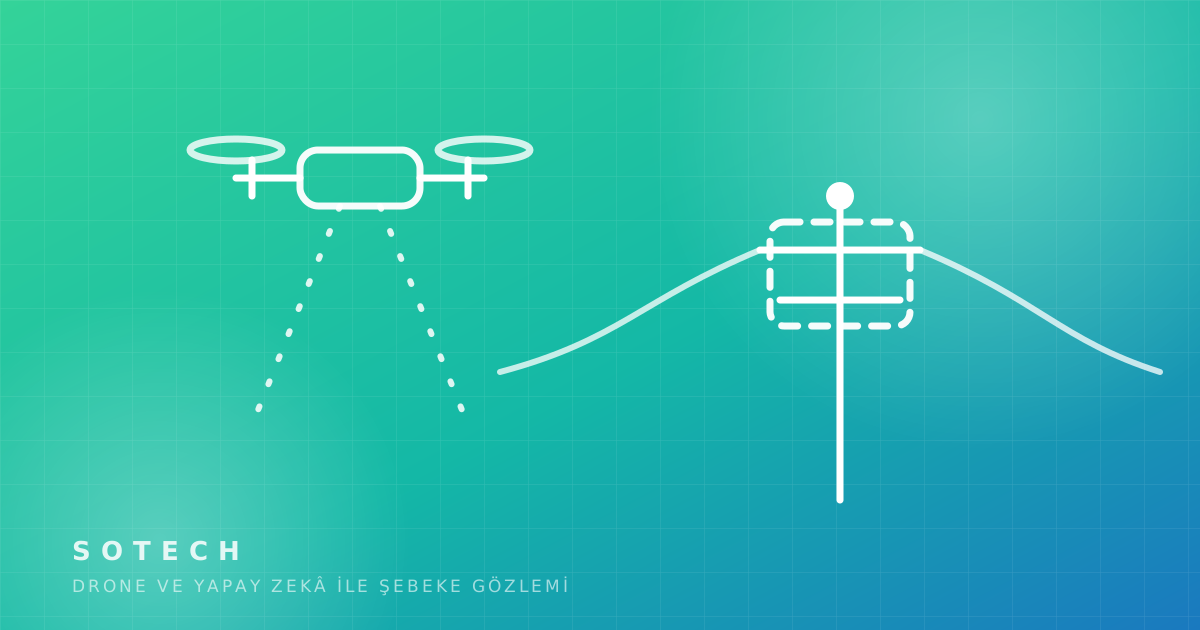
Inspection maintenance on electricity distribution grids has been done the same way for years: a crew goes out, takes photos, and an engineer reviews them one by one back at the office. Drones multiplied the number of photos but did not remove the bottleneck — they moved it. The problem is no longer collecting imagery; it is turning imagery into decisions.
The bottleneck is not taking photos, it is linking them to equipment
If a flight returns 250 frames, reviewing them without knowing which pole or feeder each belongs to produces nothing reportable. So the first step is not AI but location: a photo's EXIF position should be matched automatically to the nearest grid asset in the GIS. Then both the tablet photo from a field crew and the drone frame arrive already bound to the asset record.
That matching also makes gaps visible. Equipment listed in the work order but never photographed shows up in a coverage report, turning the difference between "the flight happened" and "everything was captured" into something measurable.
AI does not decide; it produces findings
Anomalies such as insulator damage, crossarm corrosion or vegetation encroachment are detected by a model. The critical design decision is this: the model does not open a work order, it proposes a finding. Detections below the confidence threshold are filtered out automatically, and the rest reach an engineer with their imagery, where approval or rejection is recorded together with who decided and when.
- Every finding is permanently linked to the model version that produced it
- The model lifecycle is governed: draft, test, approved, retired — with one-click rollback
- Vegetation clearances are audited against regulatory tables rather than estimated by eye
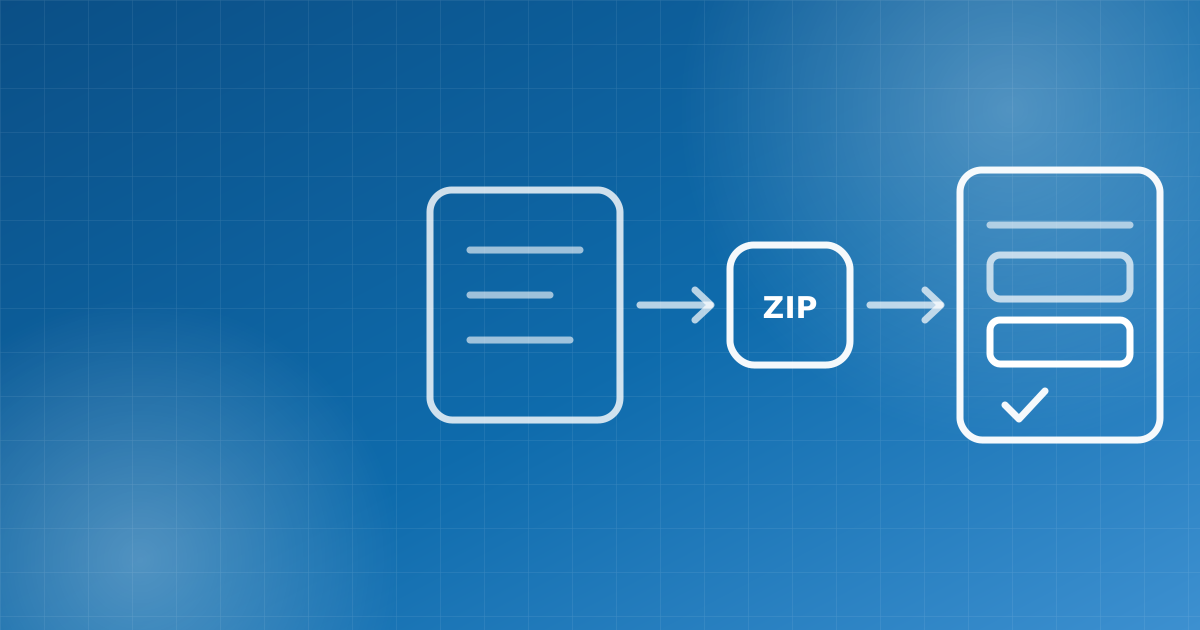
- An approved finding becomes the matching answer on the maintenance form, and the existing alarm and work order mechanism takes over unchanged
Why traceability is not a marketing line
When a model is updated, if nobody knows which version produced past findings, the audit question "what was this detection based on?" has no answer. Binding findings to model versions is therefore worth more than squeezing a few points of accuracy. The same logic applies to data: missing values are not filled in with estimates, they are flagged as missing on screen.
In inspection maintenance the real gain is not model accuracy but decision traceability.
We built GEONIVA around exactly this approach: from generating the flight mission out of a work order, through orthophoto production, to approved findings flowing into the maintenance process — the whole chain on one platform. If you would like to discuss how it would work on your grid, reach us through our contact page.
Let's plan this transformation together
We can bring what we covered in this article to life for your organization. Tell us your needs and we'll draw up a roadmap tailored to you.