In most organizations power quality reporting is a manual scramble at the end of each period. Standardize the measurements and automate the audit, and the report stops being a document you prepare and becomes an output that is always ready.
At a distribution company with power quality obligations the picture is usually the same: analyzers from different vendors sit in the field, each producing data in its own format, and at the end of each period those numbers are carried into tables by hand, costing several people several days. The problem is not a lack of measurement; it is that measurements never get translated into a common language.
First the data has to speak one language
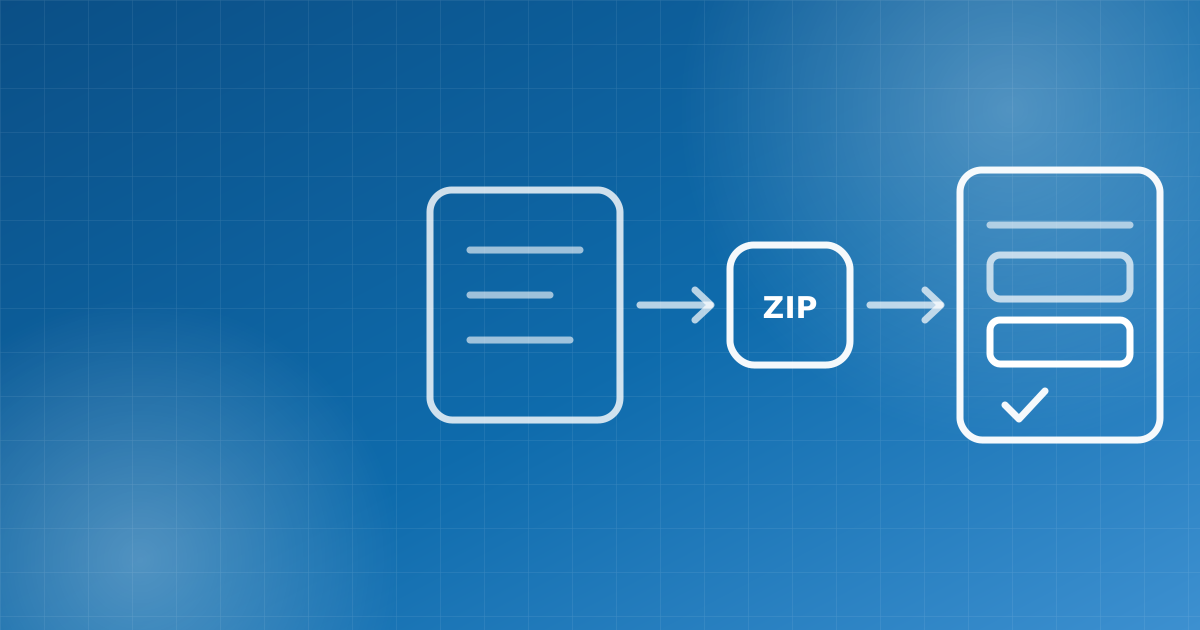
A device-independent collection layer removes the brand and model difference: whatever protocol a measurement arrives on, it becomes standard within a single time-series archive. Skip this step and everything after it — auditing, scoring, reporting — has to cope with as many exceptions as you have device types.
The audit is not the report; it is its precondition
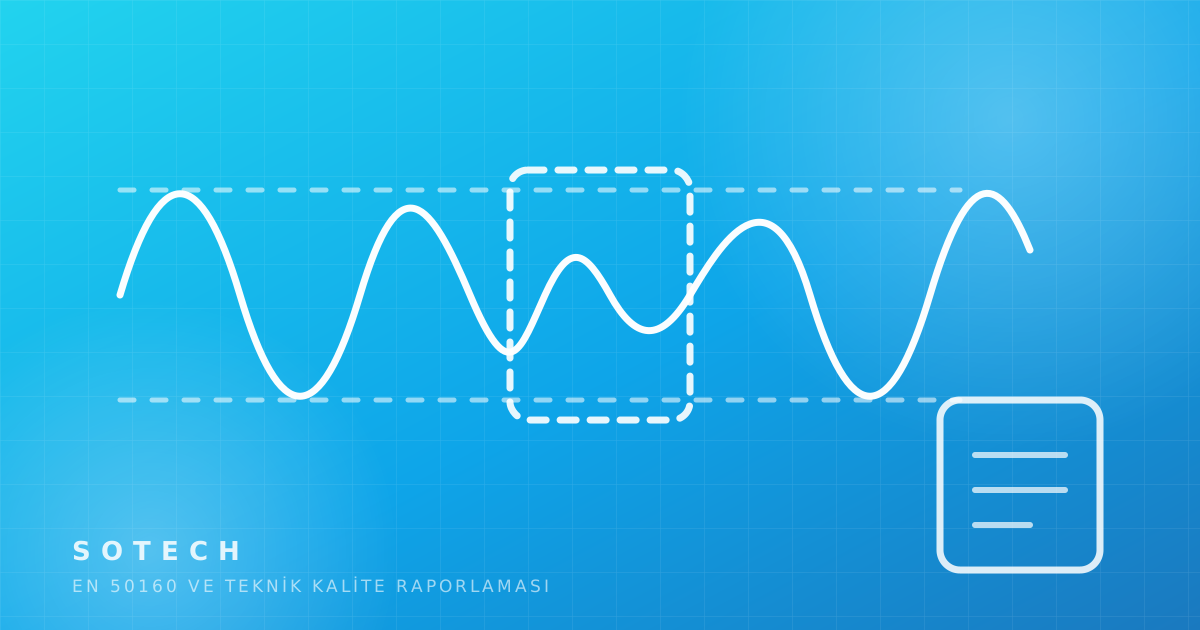
EN 50160 defines voltage characteristics and IEC 61000-4-30 defines how those characteristics are measured. Applied together, voltage magnitude, unbalance, harmonics and flicker can be audited continuously within a standard measurement window. The distinction matters: the report is not a summary produced at period end, it is a snapshot of an audit that never stops running.
- Sags, swells and interruptions are captured at millisecond level
- Harmonic distortion, flicker and negative sequence are tracked separately
- Measurement points are scored against limits, making weak feeders and transformers visible
- Whether a disturbance originates on the grid side or the consumer side is distinguished
Why the report itself should be automated
A manually prepared report carries two costs: preparation time and the risk of error. When templates live inside the system, the same report can be produced at any moment through the same calculation path. Whether the output is PDF or spreadsheet, delivered by email or pushed to corporate systems, then becomes a matter of preference — the calculation behind it never changes.
Being audit-ready is not about preparing the report quickly; it is about not having to prepare it at all.
We built GeoEner PQM for exactly this need: vendor-independent data collection, standards-based automatic auditing and ready-made reporting on one platform. If you would like to see how it works with your own measurement points, get in touch.
Let's plan this transformation together
We can bring what we covered in this article to life for your organization. Tell us your needs and we'll draw up a roadmap tailored to you.