Classic automation was limited to rules; AI opened an era of automation that reads documents, understands exceptions and suggests decisions. Where should your organization start?
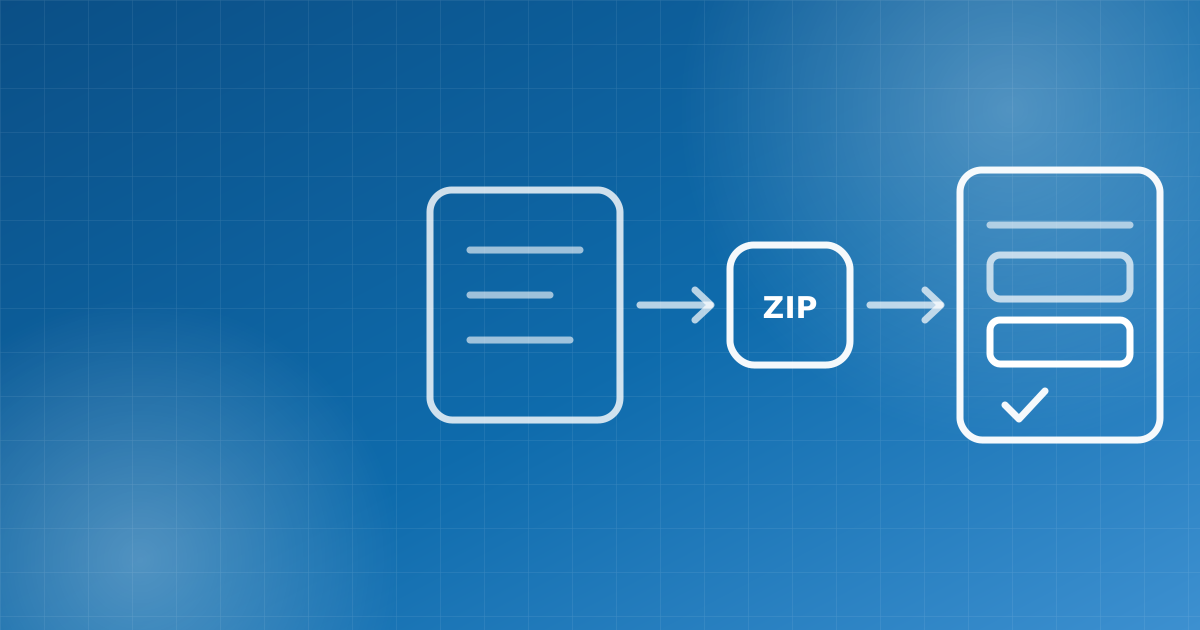
Rule-based automation has been around for years: 'reject if this field is empty, approve if filled'. But real business processes are full of exceptions — missing documents, free-text explanations, unusual requests. This is exactly where AI steps in: it reads the document, understands the context, classifies the exception and suggests a decision.
Processes best suited to automation
- High-volume, repetitive work (invoice processing, application screening)
- Document-heavy flows (contracts, petitions, technical reports)
- Processes requiring data transfer across multiple systems
- Teams handling heavy email/request traffic
Human + AI: the right division of labor
The goal is not to remove people from the process, but to leave repetitive work to the machine and judgment-based decisions to people. The most successful setups are human-in-the-loop models, where AI-suggested decisions pass through human approval at critical thresholds.
How we measure efficiency
An automation investment that can't be measured can't be defended. Before go-live we record the process's current metrics (processing time, error rate, unit cost); after go-live we report the same metrics regularly. The return on investment becomes data, not a guess.
The purpose of automation is not to devalue people, but to free their time for valuable work.
At Sotech, we handle process analysis, automation design and AI integration under one roof. Let's identify the process in your organization best suited to automation — reach us via our contact page.
Let's plan this transformation together
We can bring what we covered in this article to life for your organization. Tell us your needs and we'll draw up a roadmap tailored to you.